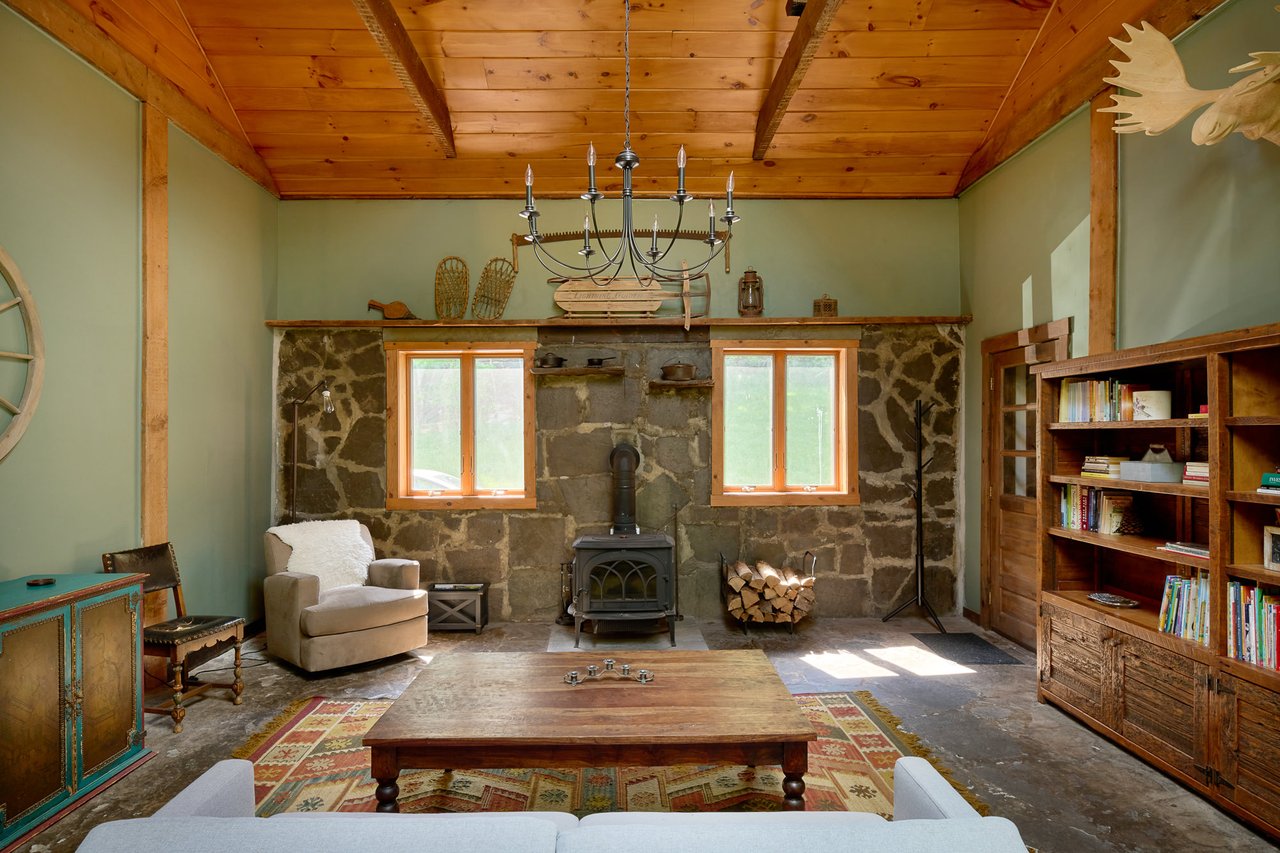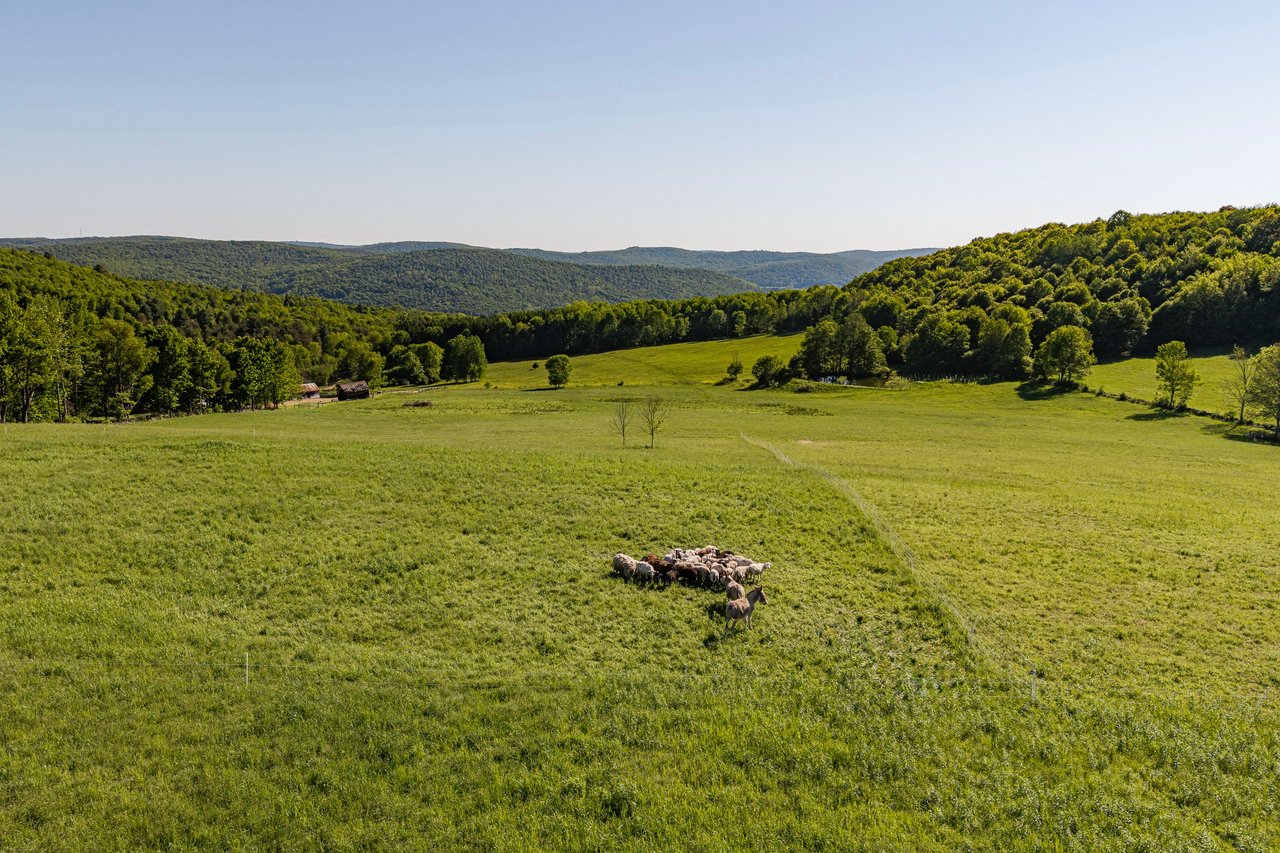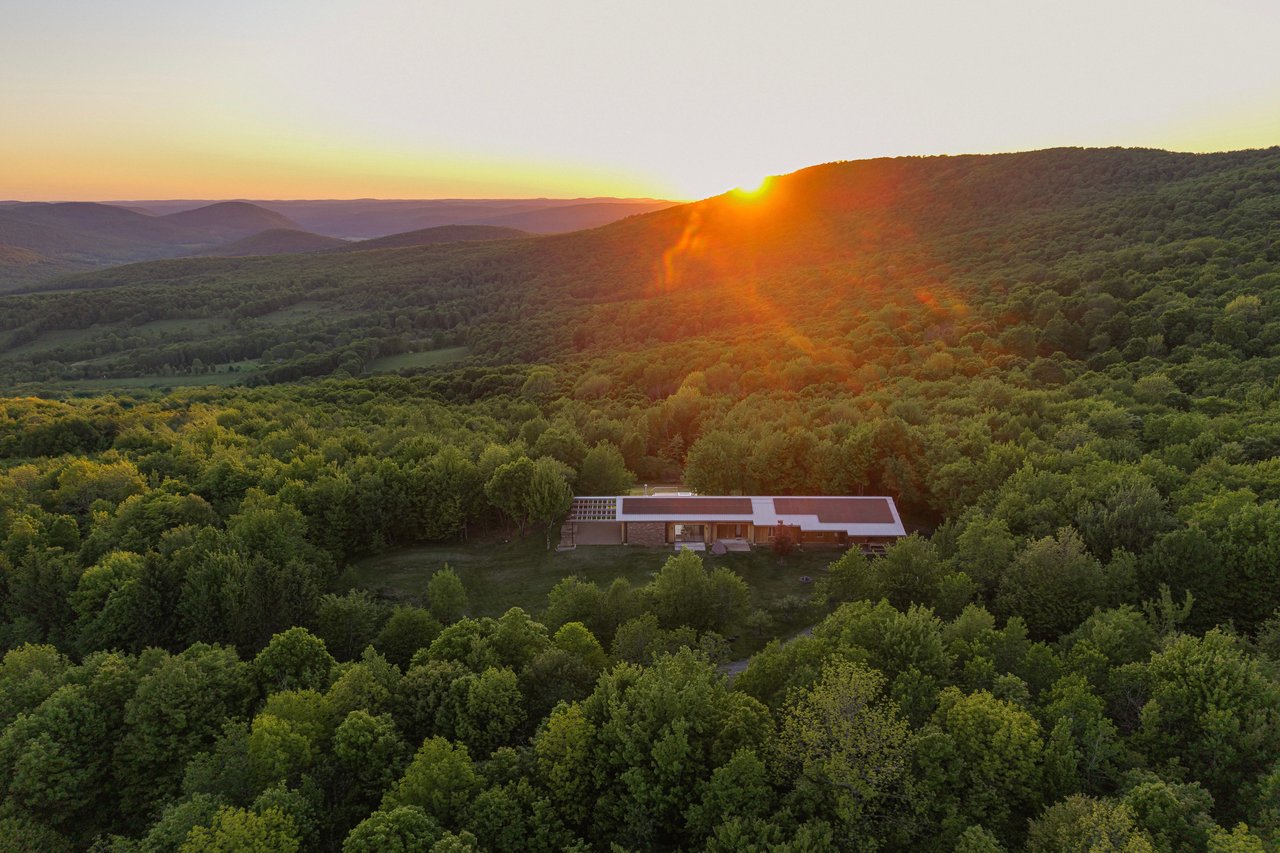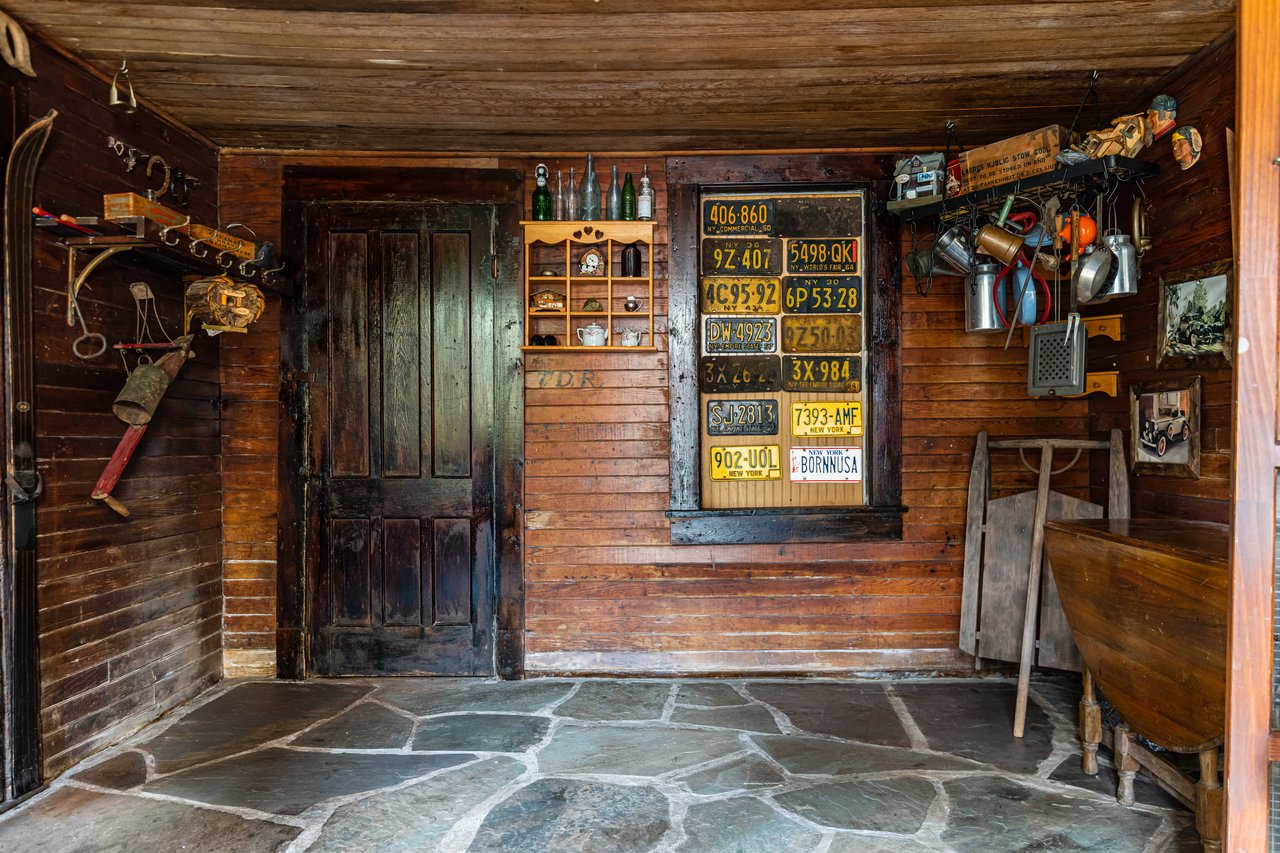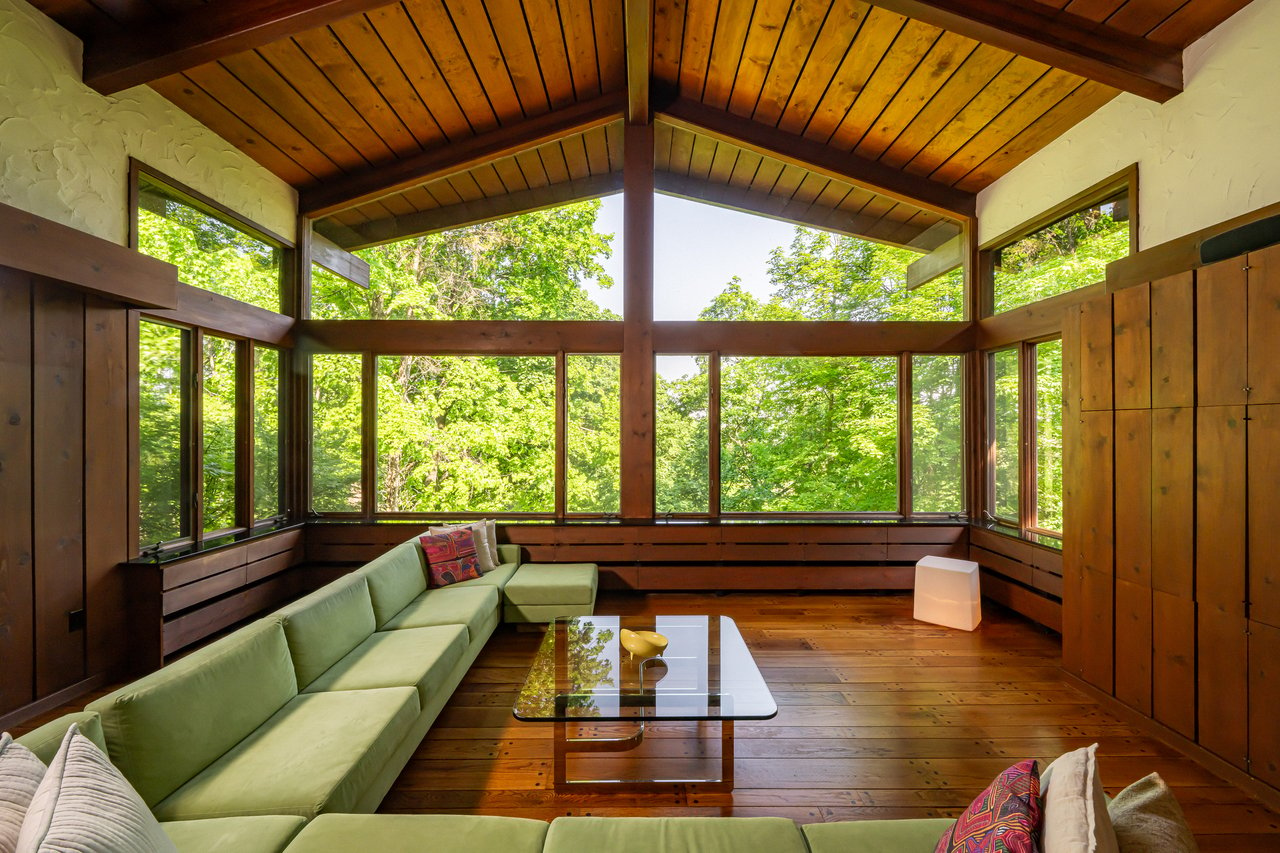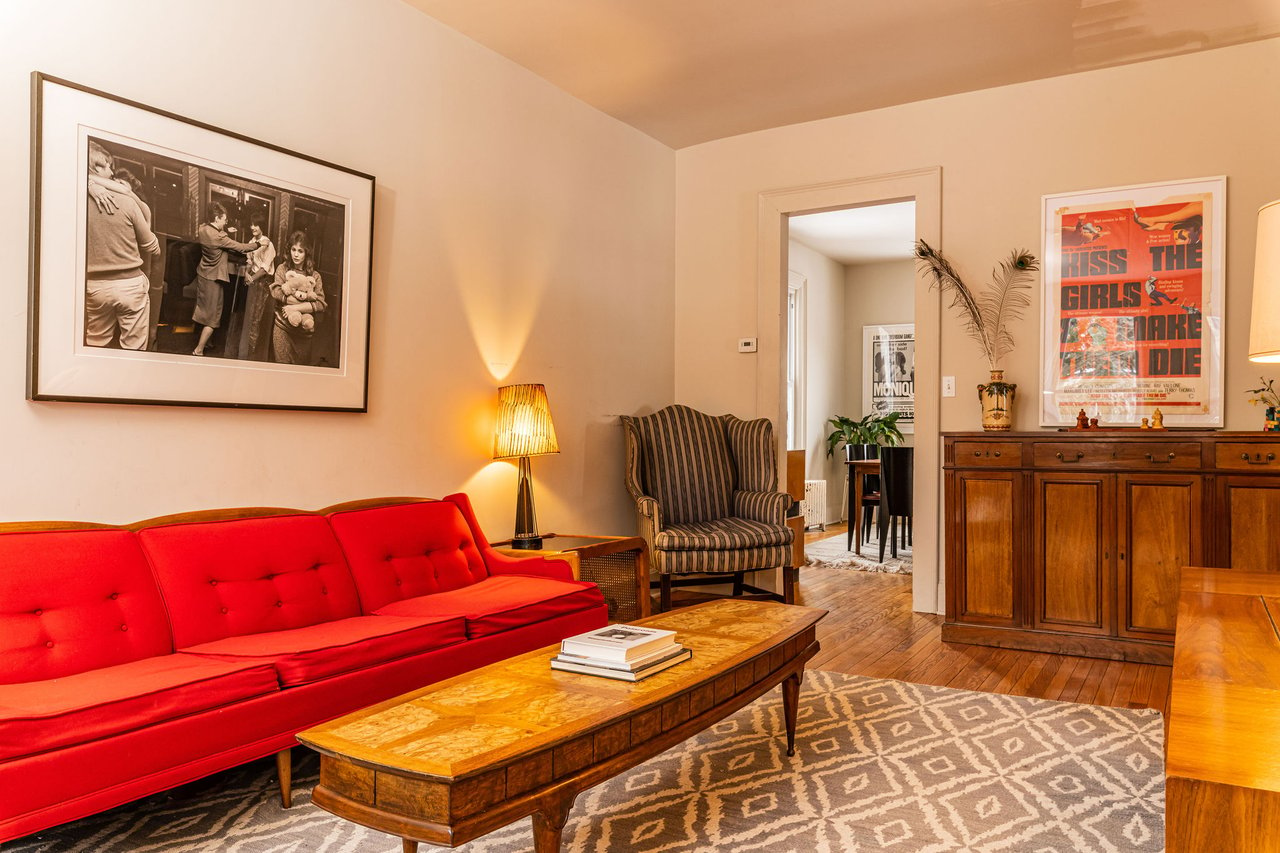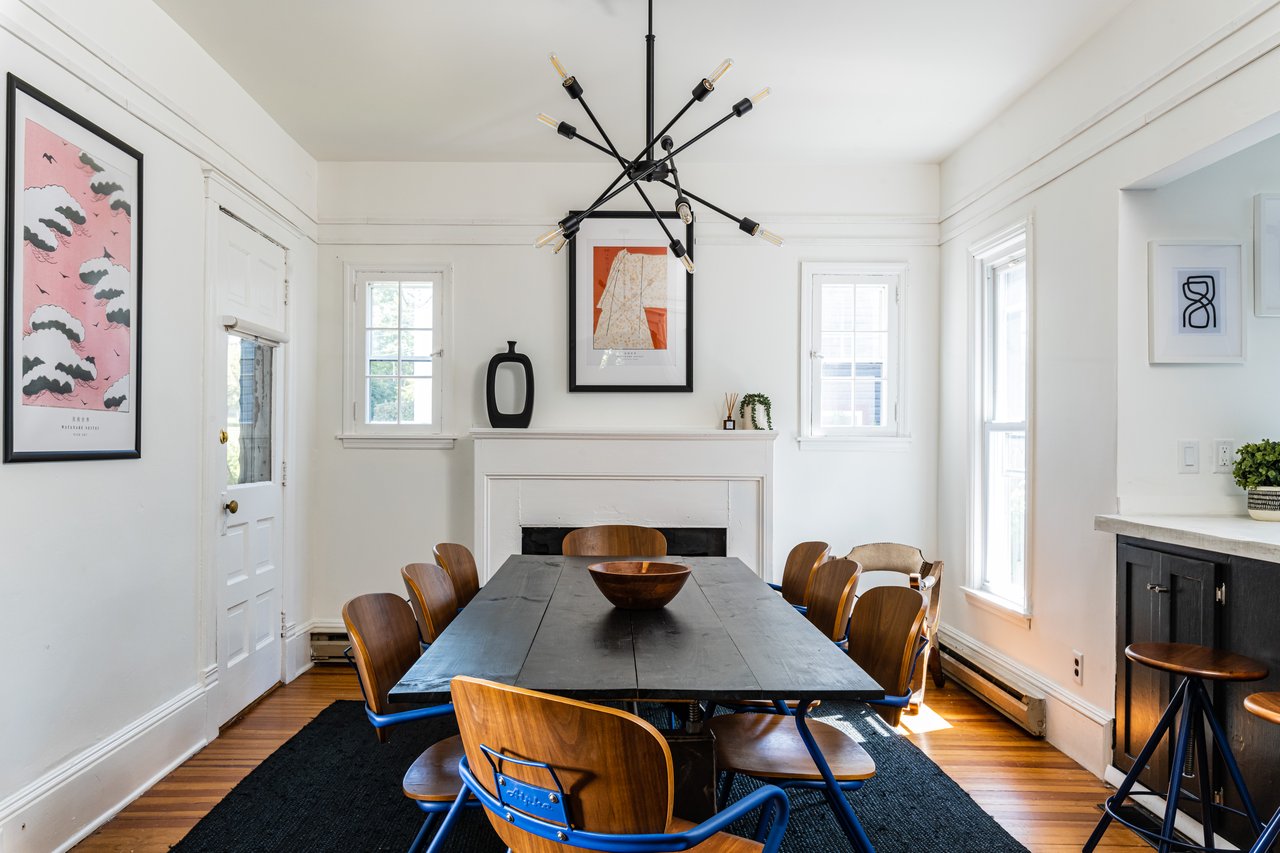
There's a particular appeal to owning a home upstate, especially for New Yorkers living in Manhattan and Brooklyn.
Leaving the city on a Friday afternoon, arriving at a house surrounded by mountains or woods, lighting a fire, and settling into a weekend without the usual distractions. Perhaps there's a garden, a swimming pool, a place for the kids to run around, or simply a quiet deck where you can sit with a cup of coffee.
For many New Yorkers, the Catskills and Hudson Valley offer something that's difficult to replicate in the city: space, privacy, access to nature, and a different pace of life. I understand the appeal firsthand. I live in Manhattan, own a home in the Catskills, and work in real estate in both New York City and upstate New York.
But there's another side to second-home ownership that deserves just as much consideration. A country house can be a wonderful escape. It can also require a surprising amount of time, money, and attention. Neither reality cancels out the other. The important thing is understanding both before you buy.
The Case for Owning
One of the greatest benefits of owning a second home is the freedom to make it entirely your own. You can furnish it exactly as you like, create spaces for entertaining, plant gardens, build a collection of books, and leave your favorite things waiting for your next visit. There's no packing and unpacking every weekend or wondering whether your preferred hotel has availability. You develop routines. You discover your favorite farm stands, restaurants, hiking trails, and swimming holes. You get to know your neighbors and become part of a community rather than simply visiting it. Over time, the house becomes more than a weekend destination. It becomes another home.
For families, there's something especially rewarding about returning to the same place year after year. Children develop friendships, learn to ski, explore the woods, and establish traditions that become part of their childhood. And unlike spending money on hotels or vacation rentals, purchasing a home creates the possibility of building equity and benefiting from long-term appreciation, although neither is guaranteed. There are real financial considerations, but the greatest returns from owning a second home aren't always financial. Sometimes they're measured in time together, traditions established, and the satisfaction of having a place that belongs to you.
The Part That Doesn't Make It Into the Listing Photos
Of course, the beautiful photographs rarely show the less glamorous side of country living. The driveway needs plowing. The lawn needs mowing. Gutters need cleaning. Heating systems require servicing. Septic systems need attention. Trees occasionally fall where they shouldn't. And inevitably, something breaks. Even a relatively new, well-maintained house requires ongoing care. Older properties, larger acreage, swimming pools, private roads, and outbuildings introduce additional responsibilities.
A second home also requires coordination, particularly when your primary residence is several hours away. Finding reliable contractors, arranging access for repairs, scheduling preventative maintenance, and making sure the house is prepared for changing seasons all take time. Sometimes that work is satisfying. There's genuine pleasure in improving and caring for a property you love. Other times, you arrive on Friday expecting a relaxing weekend and discover that Saturday will be devoted to fixing something you didn't know was broken. It's part of ownership, and it's worth being realistic about how much of that responsibility you're willing to take on.
Understanding the True Cost
The purchase price is only the beginning. Beyond the mortgage, property taxes, and homeowners insurance, a second home has ongoing expenses whether you're using it or not. Heating fuel, electricity, internet, landscaping, snow removal, cleaning, routine servicing, and repairs all contribute to the annual cost. A house sitting empty for several weeks still needs to be heated in winter, monitored during storms, and maintained throughout the year.
It's also important to establish a reserve for unexpected expenses. A failed boiler, damaged roof, or major plumbing issue can quickly turn an otherwise manageable year into an expensive one. The amount varies significantly depending on the property's age, size, condition, location, and systems. When evaluating a purchase, I encourage buyers to look beyond what they can afford to buy and consider what they're comfortable spending to own. Those are two different calculations. And the financial picture isn't entirely one-sided. Mortgage payments may build equity, the property may appreciate, and there may be tax considerations worth discussing with a qualified professional. A second home is both a lifestyle decision and a significant financial commitment. It deserves to be evaluated as both.
Can Rental Income Help?
Absolutely. For some owners, short-term or seasonal rentals can offset a meaningful portion of their carrying costs. Others may choose longer-term arrangements that provide more predictable income. But rental income comes with additional considerations. There are bookings, guest communications, cleaning schedules, property management, maintenance, insurance, taxes, and local rental regulations to think about. Hiring a property manager can reduce the day-to-day workload, but it also reduces the income you retain.
There's also the question of when you want to use the property yourself. Some of the most desirable rental periods are the same holiday weekends and peak seasons when owners would most enjoy being there. Rental income can be an excellent part of a second-home ownership strategy. It just shouldn't be assumed without carefully evaluating the property's rental potential, operating expenses, and applicable regulations.
Sometimes Visiting Is the Better First Step
Not everyone who loves the Catskills or Hudson Valley needs to purchase a home immediately. If you're only coming upstate occasionally, spending a weekend at a beautiful inn or renting a house for a week might offer exactly what you're looking for. Places like the Deer Mountain Inn provide a different kind of experience. You can enjoy the landscape, the food, the atmosphere, and the change of pace without worrying about who is plowing the driveway or whether the heating system needs servicing.
You can also explore different towns and discover what you actually enjoy. Maybe you love being near Woodstock's restaurants and shops. Perhaps you prefer the quieter landscape around Roxbury or Andes. Or maybe you discover that what you really want is to be closer to skiing, hiking, or the Hudson River. Visiting first can be a valuable part of the buying process. And there's nothing wrong with deciding that occasional visits are enough.
How Often Will You Really Use It?
This is one of the most important questions I encourage prospective buyers to consider. Will you spend nearly every weekend at the property? Do you have the flexibility to work remotely? Will you use it during the summer, winter, or throughout the year? Or are you imagining a handful of weekends and a few longer holidays? The answer matters. A family that spends 100 nights a year at its country home will experience ownership very differently from someone who visits twelve weekends annually. The more time you spend there, the more valuable the consistency, convenience, and sense of ownership can become.
There's also the question of whether you enjoy taking care of a home. Some people genuinely love gardening, home improvement projects, and maintaining their property. For others, those responsibilities are exactly what they're hoping to escape. Neither approach is wrong. But understanding your own preferences can help determine whether owning a second home will improve your lifestyle or complicate it.
Finding the Right Balance
The goal isn't simply to buy a beautiful house. It's to find a property that supports the life you want to lead. For one buyer, that might mean a secluded farmhouse on 30 acres with gardens, outbuildings, and endless opportunities for projects. For another, it might mean a turnkey home on a manageable parcel, close to restaurants, skiing, and a town with reliable services. A smaller property with modern mechanical systems, a simple landscape, and dependable local contractors may provide more time to relax than a larger estate requiring constant attention. Sometimes the best second home isn't the most impressive property you can afford. It's the one you can enjoy without feeling overwhelmed by the responsibility. And sometimes, the right decision is to keep visiting until you're ready to make the commitment.
A Home Should Add to Your Life
I believe strongly in the value of owning a home upstate. I've seen how meaningful these properties become to the people who buy them, and I've experienced many of those benefits myself. But I also believe that buying a second home should be a thoughtful decision, not simply a reaction to a particularly wonderful weekend in the country. There's a difference between loving a place and wanting to take responsibility for a property there.
For the right person, ownership provides freedom, stability, community, and the opportunity to create something lasting. For someone else, the freedom to visit without the responsibilities of ownership may be exactly what they're looking for. And for many people, the answer changes over time. The best decision isn't necessarily to buy now, wait, or continue renting. It's to understand what you want from your time upstate and choose the arrangement that makes that experience better. After all, isn't that why we started coming upstate in the first place?